
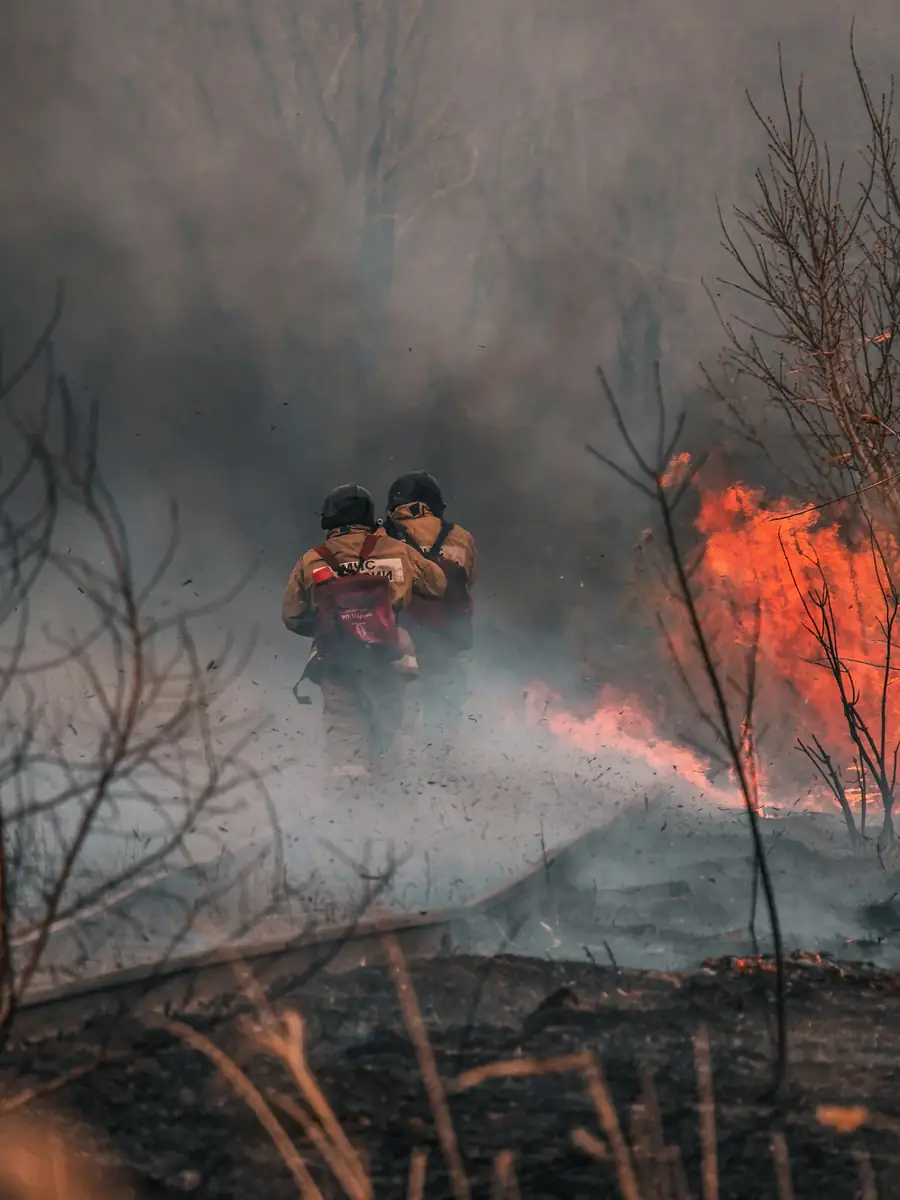
HOW FIRE KILLS
Anyone who has ever burned themselves on a hot pot knows the pain. Even a minor burn can be excruciating. But when fire engulfs large areas of skin and penetrates deeper tissue, a painful injury can quickly become life-threatening.
In cases of extensive burns, numerous blood vessels and tissue structures are damaged. Fluid leaks from the vascular system into surrounding tissue, while large amounts of water are lost through the damaged skin. Circulating blood volume decreases, blood pressure drops, and organs receive less blood flow. This leads to what is known as burn shock.
At the same time, the body releases large amounts of inflammatory mediators. The inflammatory response can spread throughout the entire body and damage other organs. The kidneys are particularly susceptible; their function can be impaired in severe burns, potentially leading to organ failure.
Because fire damages the skin, the body can no longer regulate its temperature. Fluid loss draws massive amounts of heat from the body. At the same time, extensive fluid loss leads to a state of shock, which causes blood circulation and thereby the body’s own heat production to collapse, making a rapid restoration of thermal balance impossible.
In cases of extensive burns covering 30% or more of the skin’s surface, there is therefore a risk of acute and life-threatening hyperthermia within just a few minutes. Hypothermia massively exacerbates the already existing burn shock. At the same time, blood clotting no longer functions properly. This leads to severe, difficult-to-control internal and external bleeding. At the end of this chain is often cardiac arrest.
Without immediate countermeasures, burn victims thus often literally freeze to death within the first half-hour after sustaining the burns. After the heat comes the cold: Burns are therefore among the most cruel ways to die that one can imagine.
If, by some miracle, a casualty with extensive burns can be stabilized within the first few hours, another deadly threat looms: bacteria and infections.
The skin is our most important protective barrier against germs. If large areas of it are missing, bacteria can penetrate unhindered. Especially in combat and operational situations, there is often no way to medically clean extensive burn wounds and close them in a sterile manner. This leads to the risk of severe infections and life-threatening blood poisoning—acute sepsis is the most common cause of death in cases of severe burns.
If treatment is not initiated within the first few hours after the onset of sepsis, a point of no return is often reached: The systemic inflammation and organ failure have progressed so far that the condition becomes irreversible despite maximum intensive care measures.
This makes it clear why severe burns are among the most complex injuries of all. Not only do they cause unbearable pain, against which even the strongest painkillers such as morphine are often powerless. Without immediate intensive care, they are fatal in most cases.
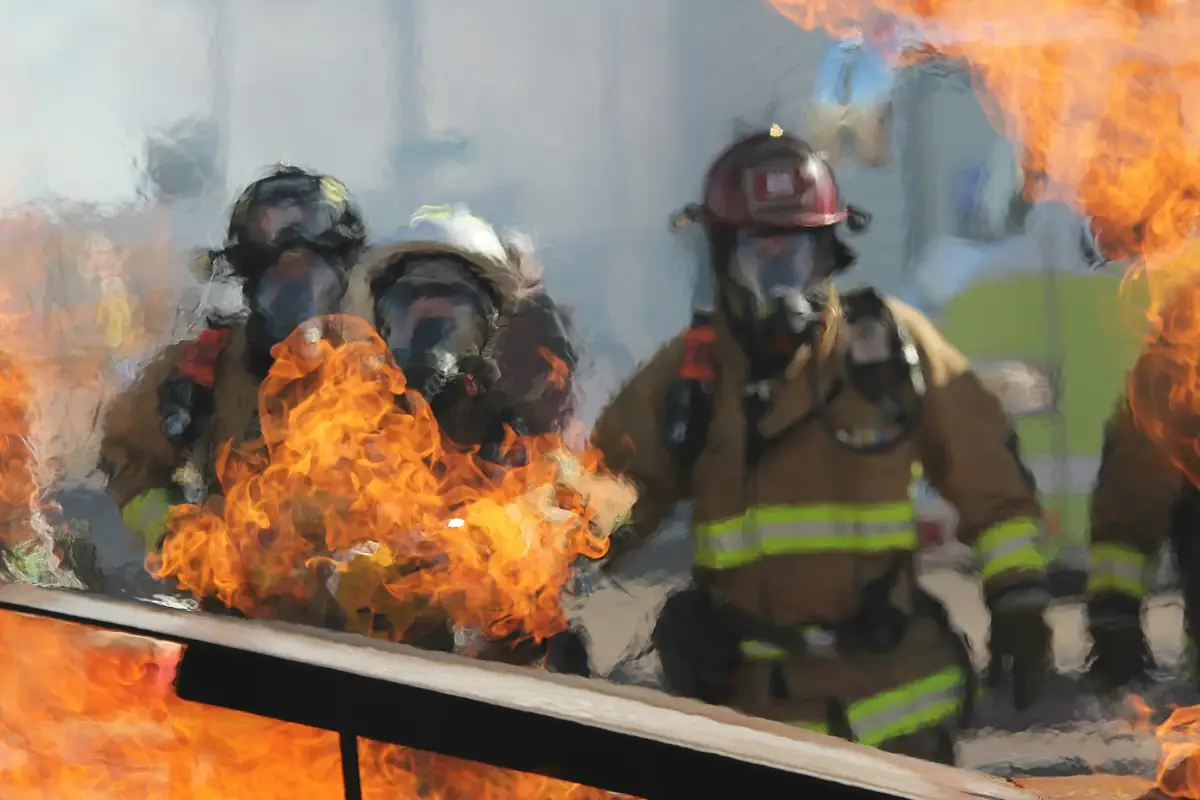
WHY CLOTHING MADE OF SYNTHETIC FIBERS INCREASES THE RISK OF LIFE-THREATENING BURNS
Especially for groups such as soldiers and police officers, who may be exposed to flames and explosions in the course of their work, effective flame protection is crucial.
But instead of reducing the risk of severe burn injuries, a large portion of the clothing we wear massively increases it.
This is because modern clothing is often made from polyamide or polyester. This is especially true of functional clothing used in outdoor and military settings.
Synthetic fibers such as polyamide and polyester are dangerous in two ways: because of their synthetic nature, they catch fire more easily than, for example, wool. Because they are made from petroleum, they have a high energy density that feeds the flame. Once ignited, the fire can quickly spread to the entire garment.
Particularly dangerous is the property of polyamide and polyester to melt when heated and turn into liquid plastic. The liquid plastic drips down, accelerating the spread of the fire to areas that were not previously in contact with the flames.
If the clothing is worn directly against the skin, polyamide and polyester fibers melt into liquid plastic at temperatures up to 260 °C, which comes into direct contact with your skin, instantly and irreversibly destroys all layers of the skin, and causes third-degree burns. The hot plastic causes even more damage: Unlike hot water, liquid polyester or polyamide does not run off. It contracts when heated and melts into a tough, sticky mass that adheres to your skin and continues to burn on it. As a result, the heat penetrates even deeper into your tissue, so that even muscles and nerves can potentially be damaged by the liquid plastic.
Burned plastic also complicates wound cleansing and increases infection risk, which can trigger sepsis.
A particularly significant danger comes from blended fabrics consisting of cotton on one side and polyester or polyamide on the other. Untreated cotton is highly flammable and allows flames to spread rapidly, which can cause synthetic fibers to melt on your skin within seconds and lead to extensive third-degree burns. Yet this type of synthetic blend is routinely used in many performance shirts, including the German Armed Forces’ tropical undershirt. If it catches fire, the injuries can become life-threatening.
Even blended fabrics made of wool and polyamide, such as those offered by major manufacturers of merino functional clothing, do not provide fully adequate flame protection. This is because while the wool content does make the fabric less flammable, the polyamide bonded to the wool fibers melts when exposed to heat and can cause severe burns by sticking to the skin. Furthermore, even a polyamide blend with high wool content continues to smolder for several seconds after the ignition source is removed, exposing your body to additional heat.
But there’s a simple and effective way to protect yourself from burn injuries: functional clothing made from 100% pure wool, such as the garments we produce from yak and camel wool.
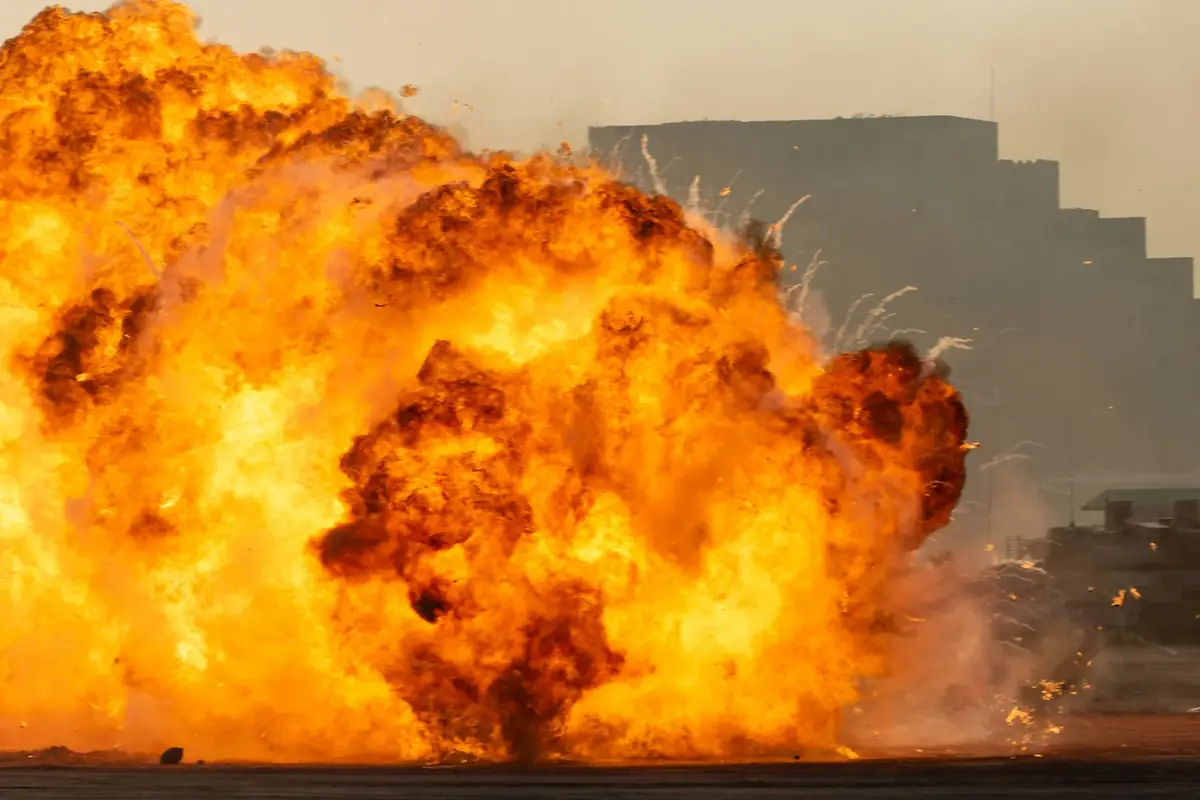
WHAT MAKES OUR WOOL FLAME-RETARDANT
For flexible, year-round basic flame protection, our wool is a true high-performance material. It’s naturally difficult to ignite, flame-retardant, and self-extinguishing, without compromising comfort, breathability, or temperature regulation. Wool has several properties that make it an ideal base layer against flames and heat exposure:
1. Extremely high ignition temperature
The ignition temperature of wool is an extremely high 570–600 °C. As a result, wool catches fire only when exposed to very high heat. This distinguishes it from materials such as cotton or polyamide, which have significantly lower ignition temperatures. Because wool naturally absorbs moisture—it can absorb up to 35% of its own weight in moisture—and has a high nitrogen content, ignition is made even more difficult. In practice, this means that, under normal circumstances, only a direct and concentrated flame can cause wool to burn. Before the wool can ignite, the bound water must first evaporate completely—a process that requires a great deal of energy. In an explosion or when hit by incendiary ammunition, wool can protect you from your clothing catching fire.
2. Self-extinguishing properties
Pure, untreated wool has self-extinguishing properties. This means that if it does catch fire, the flame usually extinguishes itself as soon as the external ignition source is removed. This is because wool requires an oxygen concentration of 25–26% to burn—more oxygen than is present in our atmosphere (approximately 21%). The flame therefore smothers within fractions of a second after the ignition source is removed and—unlike, for example, cotton, polyester, or polyamide—does not simply continue burning. So if wool catches fire in an explosion due to the extreme heat generated by, say, an IED, the fire stops immediately after the fireball subsides, and your clothing won’t keep burning. This helps minimize the risk of dangerous burn injuries resulting from explosions and explosive devices (provided that you are far enough away from the explosion not to be killed immediately by its heat and shock wave—we have to be realistic about that).
3. The Material Does Not Melt
Unlike synthetic fibers such as polyamide or polyester, wool does not melt into a hot liquid when it burns; instead, it chars into a solid material. As a result, wool protects you from severe, extensive burn injuries that occur when polyamide and polyester melt into liquid plastic under heat and continue burning on your skin. Because wool does not melt when exposed to heat, it also does not risk hot, burning material dripping onto other parts of your clothing. This prevents the fire from spreading rapidly. In addition, wool helps keep the wound surface clean in a fire, preserving more healthy tissue and reducing infection risk.
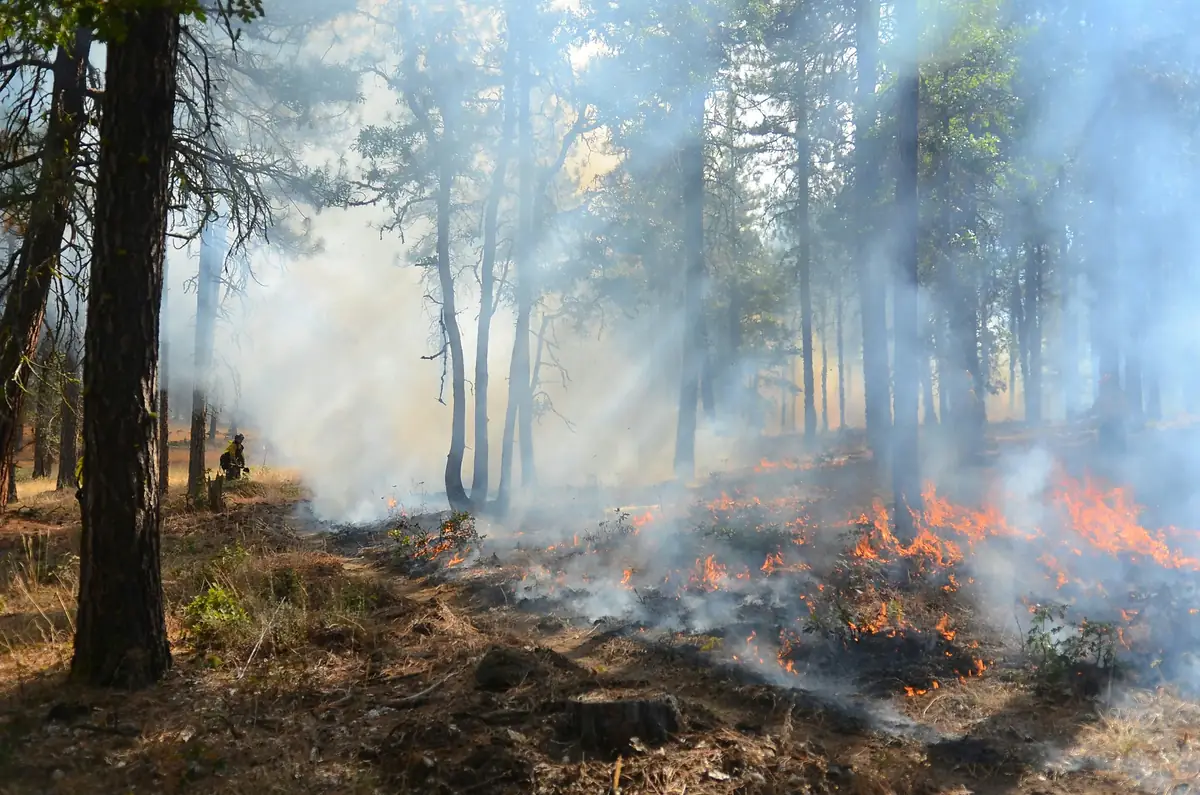
4. When exposed to fire, wool forms an insulating protective shield against heat
Perhaps wool's most fascinating property is how it behaves when exposed to fire. Unlike synthetic fibers, it does not melt; instead, it chars into a solid material. When an external flame heats wool, its cellular structure swells and forms a thick, charred layer that is surprisingly dense and solid. In this way, the wool forms a natural heat shield: The charred surface not only prevents the fire from continuing to burn on the surface, but also prevents the fire from spreading to deeper layers of wool. At the same time, the charred surface acts as an insulating layer against extreme heat, which often cannot penetrate—or can only penetrate to a limited extent—your yak and camel wool garment, protecting your body from heat exposure and reducing the risk of burns.
5. More Material, More Flame Retardancy, and Insulation
Compared to most functional clothing made of merino wool, our functional clothing made of yak and camel wool is in a league of its own: For one thing, it's made of 100% pure yak and camel wool. This allows us to eliminate the dangerous properties of polyamide from the equation and offer you 100% natural flame protection. In addition, we use a dense, heavy knit in all our products, which—thanks to its hollow-fiber structure—offers not less, but even more breathability than a lightweight merino jersey. Our thicker material can withstand a flame or heat source much longer than an ultra-thin merino jersey, in which a hole often burns through after just a few seconds, exposing your skin. As a result, our performance clothing protects you more effectively against open flames and acts as an extra-strong insulating layer against extreme heat. Because the hollow fibers in our performance clothing wick away moisture, they also reduce the risk of trapped moisture suddenly evaporating when exposed to heat and causing severe scalds from hot water vapor—making them ideal as a base layer under specialized, certified fire-resistant clothing.
These properties make our functional clothing made of yak and camel wool an ideal base layer for flame protection in daily military and police operations, combining flame-retardant properties with maximum comfort and uncompromising field performance.
Safety Note: Although our functional clothing made of yak and camel wool is naturally flame-retardant, self-extinguishing, and extremely heat-resistant, it is not completely fireproof. For professions involving direct exposure to heat and/or fire, such as firefighters or armored personnel carrier crews, it cannot replace a fire-resistant outer and/or inner layer made of (aluminum-coated) aramid.
