Why People Freeze to Death in the Desert
And how you can protect yourself against hypothermia in the world’s hottest places.
The most common cause of death in the desert
When people think of the desert, they think of extreme dryness and heat—of relentless sunshine, with no shade in sight. In the desert—at least in the arid deserts that match our classic image—extremely hostile temperatures prevail, causing the unprepared globetrotter to die of heat exhaustion within a few hours.
It seems only logical to conclude that the most common cause of death in the desert is heatstroke or dehydration, and can therefore be directly attributed to the high temperatures.
But nothing could be further from the truth: The most common cause of death in arid deserts isn’t heatstroke, but death from exposure. Death by freezing. In the desert. Yes, it’s possible—and, shockingly, it’s actually a very common phenomenon. We’ll explain why this is the case and what you can do to protect yourself against it.
Why it can get extremely cold in the desert
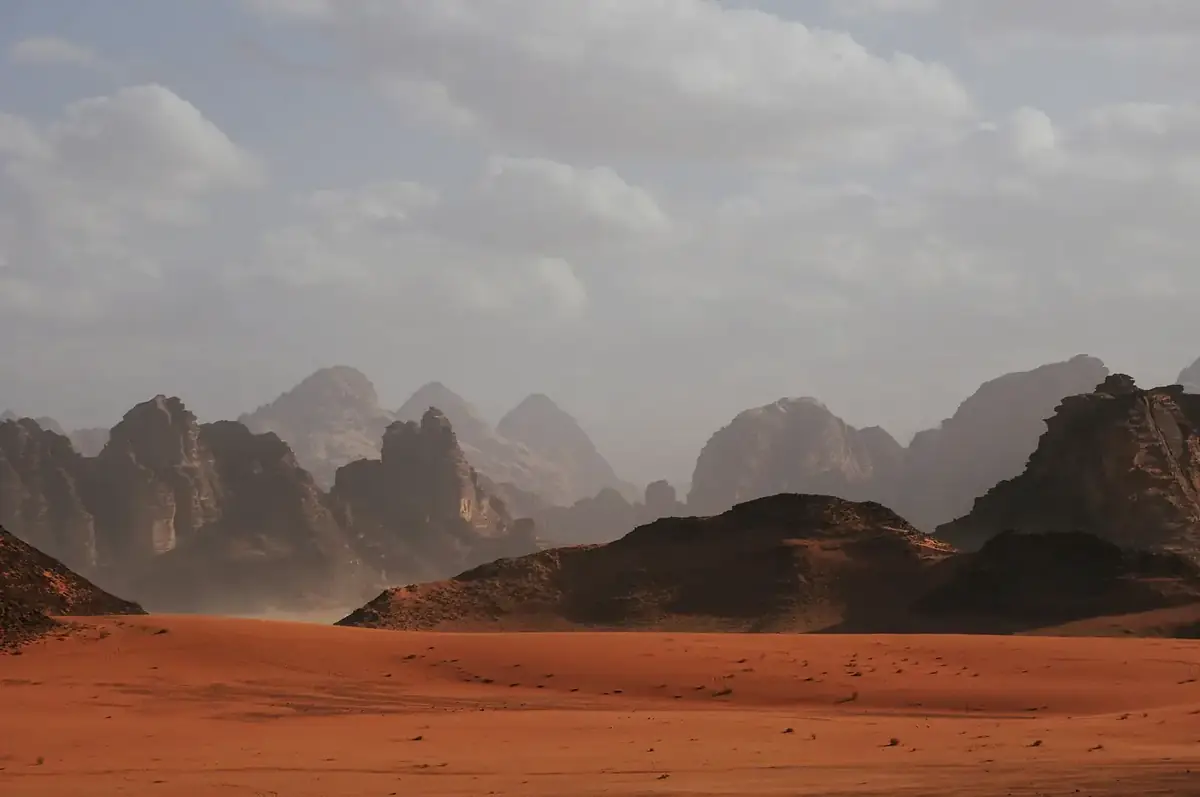
During the day, desert temperatures regularly exceed 45 °C; in summer, peak temperatures often rise to over 50 °C. In many places, this heat is because deserts are located near the equator, where the sun’s rays are particularly intense. Due to the aridity, there is also no vegetation to provide cooling shade or absorb some of the heat.
Protection against the cold in the world's hottest climates. Yes, we are serious.
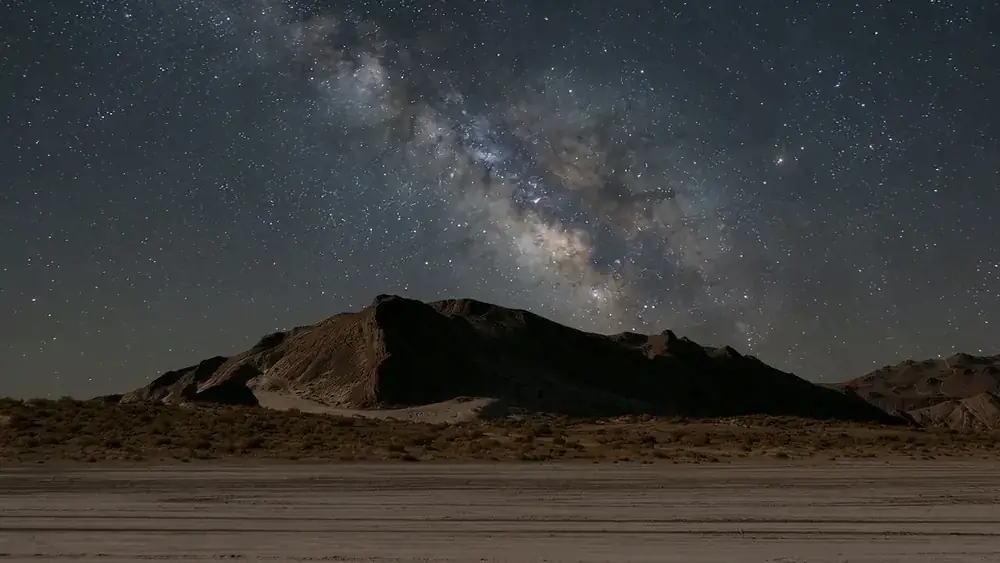
But the heat is not long-lasting. As soon as the sun disappears below the horizon, the desert begins to cool down very quickly. There are several reasons for this:
- Loose desert sand is a very poor heat conductor. Because air is trapped between the grains of sand—which impedes heat transfer—desert sand warms only superficially during the day and therefore releases its heat very quickly at night.
- Because of the extreme dryness, humidity is very low. Dry air retains heat very poorly and therefore cools down faster than humid air.
- During the day, the sun heats the ground. As soon as the sun sets, the Earth radiates this heat directly into the cold expanse of space as infrared radiation. Because of the extreme temperatures, clouds almost never form in the desert. The night sky is starry and clear. As a result, no protective blanket traps the heat; it escapes almost unimpeded into space.
- Finally, neither vegetation nor water is there to store heat for long periods. Strong winds often add to this, as few natural obstacles can break or block them.
For these reasons, temperatures in the desert often drop by 20–30 °C at night within a few hours—and in the most extreme areas, by as much as 40 °C—from their daytime high. In winter, nighttime temperatures frequently reach freezing or are only slightly above it. Without warm clothing, there is a serious risk of death from exposure.
But even in summer, when nighttime temperatures stabilise at around 15–25 °C, death from hypothermia is never far away.
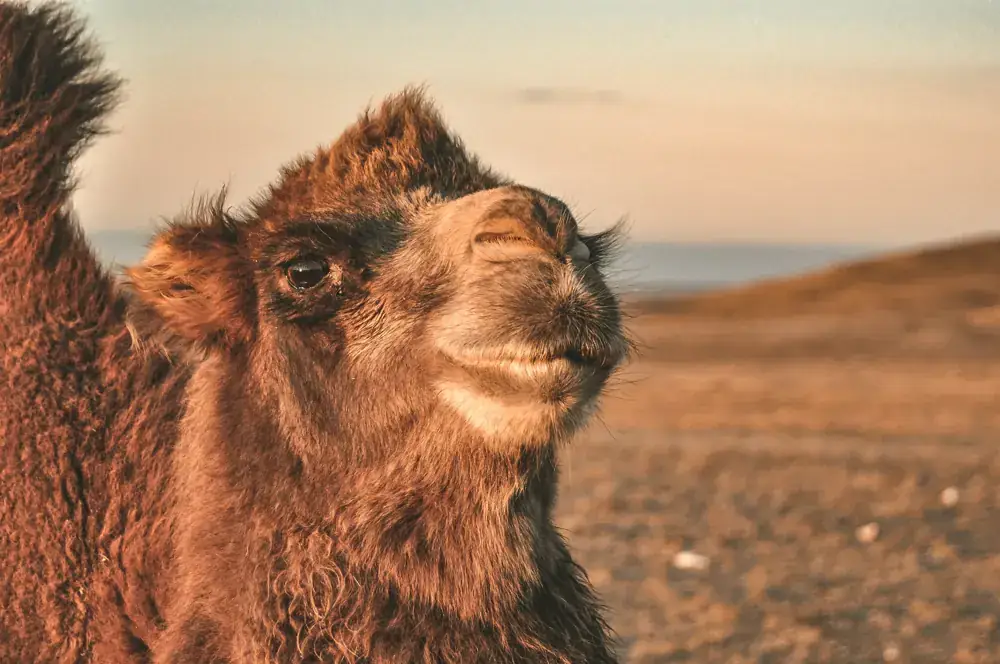
Defying the heat – The Bactrian camel
Why your body can no longer protect you on its own
When exposed to extreme heat, our body immediately reduces its heat production to a minimum to prevent overheating. Extreme heat poses major challenges for our body. The blood vessels in our skin dilate as our body tries to lower its temperature through evaporative cooling. As a result, the heart has to pump faster, since the dilated blood vessels in the skin mean less blood and oxygen are available for the internal organs. This leads to exhaustion, dizziness, and fatigue. Added to this is significant fluid loss, which the body must compensate for. In short: Our body is at the limits of its endurance. It tries with all its might to avert a fatal heatstroke.
If it succeeds, a second danger looms—one our body no longer anticipates: the cold.
While our body is very good at quickly reducing its heat production in the heat, it cannot reverse this process so easily. It needs time. But because the desert cools down so quickly, it doesn’t have that time. A race against time begins. A healthy, well-rested body could protect itself well at temperatures of 15–25 °C.
But after a day at over 45 °C, your body is severely weakened. Added to this is the wind, which makes temperatures of 15–25 °C feel more like 10 °C. After a while, you start to shiver. This is your body’s way of trying to warm itself up. You curl up to keep from feeling so cold—just for a moment—and then, in the blink of an eye, you drift off to sleep from exhaustion and never wake up again. During the night, you die of hypothermia without even realizing it.
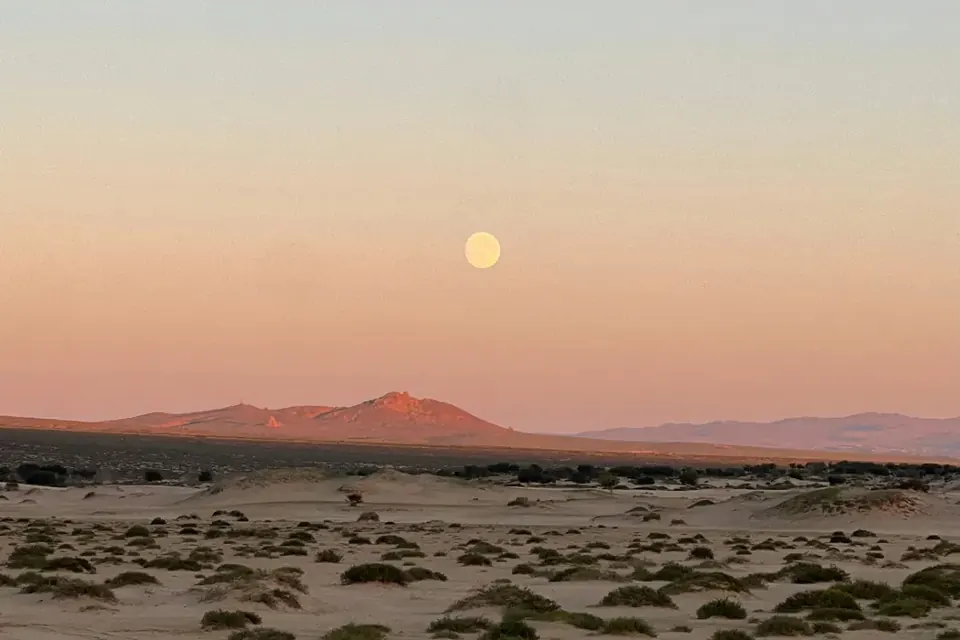
Gobi Desert – Home of the Bactrian Camel
How to protect yourself from heat and cold in the desert
For these reasons, our desert recommendations aren’t much different from those for high mountains. Because of its unique ability to withstand both extremely high and very low temperatures, camel wool is the better choice for the desert.
1. A breathable base layer and breathable undergarments
Our lightweight camel wool T-shirt effectively insulates your body from external heat, quickly wicks away sweat and excess heat, and regulates your temperature through evaporative cooling. It also protects you from UV radiation (UPF 40+) and unpleasant odours. Our yak wool shorts and bras are ideal as underwear. They regulate moisture more effectively than camel wool, so their higher thermal performance doesn’t matter in the limited area of skin they cover.
2. A breathable, thin mid layer
For sun protection and air circulation, we recommend a breathable, thin mid layer that shields your body from intense sunlight while allowing enough airflow for the heat released by your base layer to circulate outward. A lightweight shirt made of 100% fine merino wool, such as one from our partner company, the Rocky Mountain Shirt Company, in a light colour like white or beige, is ideal.
3. The outer jacket in your backpack: A warm insulating jacket
You don’t need protection against rain in the desert. Instead, your outer jacket should be a super-warm mid layer that adds warmth and insulation. You can simply slip it on at night and stow it comfortably in your backpack during the day.
For spring through fall, we recommend our midweight cardigans and half-zips made of 100% camel wool. These keep you cosy and warm on cold desert nights and reliably protect you from hypothermia.
In winter, even in the desert, dress warmly and choose our heavy-weight cardigan made of 100% yak wool for effective protection against near-freezing temperatures. Remember: Due to the high daytime temperatures and the wind chill, 0 °C will feel more like -10 °C to you.
4. Hats and scarves
On cooler nights, when your body can no longer generate enough heat on its own, we recommend—depending on the temperature and how sensitive you are to the cold—wearing a lightweight hat and a lightweight tube scarf to protect your head and neck from getting too cold due to the wind chill. Our lightweight beanies and tube scarves made of 100% camel wool are perfect for this.
In winter, it may even be necessary to wear a very warm hat and a warm scarf. For this, too, you’ll be perfectly equipped with our heavy-weight beanie and heavy-weight tube scarf made of 100% camel wool.
5. Other tips
A simple emergency blanket is always a good thing to have in your backpack—even in the desert.
Also, make sure you have adequate sun protection for your head. We recommend a hat made of lightweight beaver felt with a wide brim, so that your face and the back of your neck are also protected from the sun. Beaver felt blocks UV rays better and insulates against heat more effectively than straw.
By the way: Heatstroke isn’t even the second leading cause of death in the desert. After death by hypothermia, drowning is the second leading cause of death in the desert. That’s because when it does rain, the water can hardly seep away and instead rushes through the valley in flash floods.
Therefore, always spend the night in the desert only at easily visible elevations, never in narrow valleys or dried-up riverbeds, even if they seem to offer shelter from the icy wind. Also, be sure to keep an eye on the weather forecast—even in remote regions upstream.