

Wool vs. Synthetics
Why Wool is the Superior Choice Against Synthetics
WHY WOOL IS SUPERIOR TO SYNTHETIC FIBERS
Most outdoor products today contain plastic. Many products are made from 100% synthetic fibres. Even when a product is advertised as wool, it often contains more than just wool: Most manufacturers blend in at least some synthetic fibres into their performance clothing—sometimes as little as a few parts per thousand, and sometimes even making up the majority of the material.
Make no mistake: Even with a low synthetic fiber content of just a few percent, the entire garment is interwoven with thousands upon thousands of plastic threads—because the percentage is based on the proportion of the total weight. And because the tiny polyamide threads are so incredibly thin and light, even 2% of the total weight accounts for 50% of the material’s surface area. So even with a low synthetic fiber content, you’re wearing more plastic than wool.
We believe this is the wrong approach. We owe it to our children and future generations to treat our planet responsibly.
Synthetic fibers also have significant drawbacks that hold you back when you need maximum performance:
- Heat retention: Unlike fine wool fibers, synthetic fibers are poor at dissipating heat outward. Especially during physical activity, your body therefore overheats quickly and reaches the limits of its performance.
- No temperature regulation: Synthetic fibers trap heat and can therefore do only one thing: keep you warm. They release moisture to the outside so quickly that no sustained evaporation effect—which generates cooling—can occur. Instead, your body sweats more and more without cooling. Synthetic fibers thus interfere with your body’s natural temperature regulation and can lead to overheating.
- Low thermal performance when wet: While wool releases heat through a chemical reaction as soon as it gets wet, synthetic fibers offer only limited protection against the cold when wet. As a result, you risk cooling down quickly in cold, wet weather or after exercising, making you more susceptible to cold and flu viruses.
- Strong odor development: Unlike wool, synthetic fibers are not antibacterial. Bacteria thrive in these conditions and break down sweat on synthetic fibers quickly, so synthetic clothing often develops an unpleasant odor even after short wear. Especially with underwear, synthetic fibers also pose health risks because bacteria can multiply unchecked and, in the worst case, trigger inflammation and infections.
- Static and highly flammable: Synthetic fabrics become electrostatically charged and are highly flammable when exposed to fire.
100% plastic-free
THE BENEFITS OF WOOL
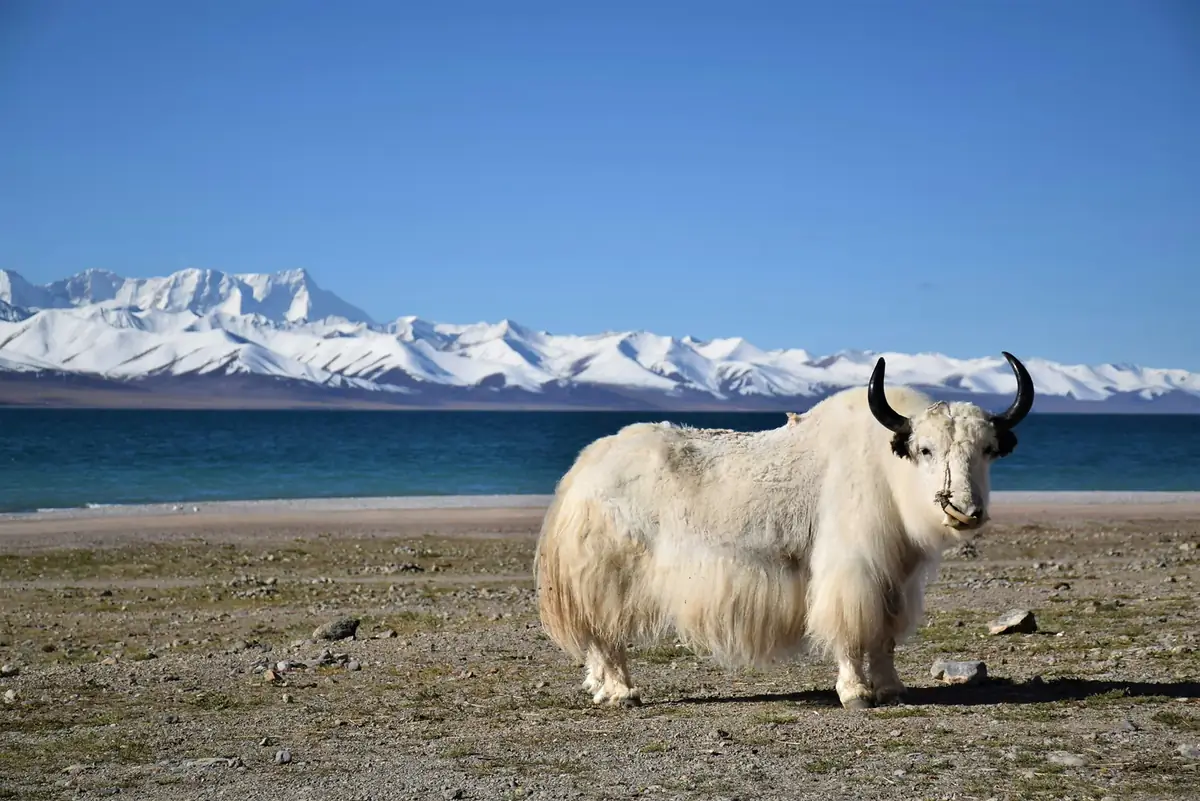
Our yak and camel wool differ in key ways. Like all types of wool, they are breathable and temperature-regulating.
Wool effectively dissipates body heat during physical activity and, thanks to its structural and chemical properties, also provides warmth when wet, while keeping you comfortably cool in summer through insulation from external heat and by creating evaporative cooling.
Its antibacterial properties also help prevent odors.
These qualities and more make wool the best choice for any application. If you need uncompromising performance, choose yak and camel wool—the highest-performing functional fibers available.
Learn more now about our yak and Camel Wool.


